The lease structure you choose decides who absorbs rising costs over the life of the lease. Pick the wrong one and a jump in insurance premiums or a big roof repair comes straight out of your income. Pick one that doesn't fit the market and your space sits longer. Here's how I advise landlords to choose.
The four common structures
| Structure | Tenant pays | Your exposure | Common for |
|---|---|---|---|
| Full-service gross | One rent; you pay all operating costs | All cost increases | Multi-tenant office |
| Modified gross | Rent plus some costs (often utilities, janitorial) | Most cost increases unless capped | Small office and retail suites |
| Industrial gross | Rent plus utilities and interior upkeep; sometimes a CAM charge | Taxes, insurance, roof and structure | Warehouse and flex |
| NNN | Rent plus taxes, insurance, maintenance | Usually roof and structure only | Retail, single-tenant, many industrial buildings |
How I'd choose
- Single-tenant buildings: NNN, almost always. The tenant controls the building's use, so they should carry its costs.
- Retail centers and storefronts: NNN with a CAM reconciliation is standard, and tenants expect it.
- Small office suites: Modified gross with a separate CAM charge is easier to market. Tenants of 200 to 2,000 square feet want one predictable number. At 255 West Napa Street in Sonoma, suites lease on a modified gross basis plus a fixed $0.33 per foot in CAM.
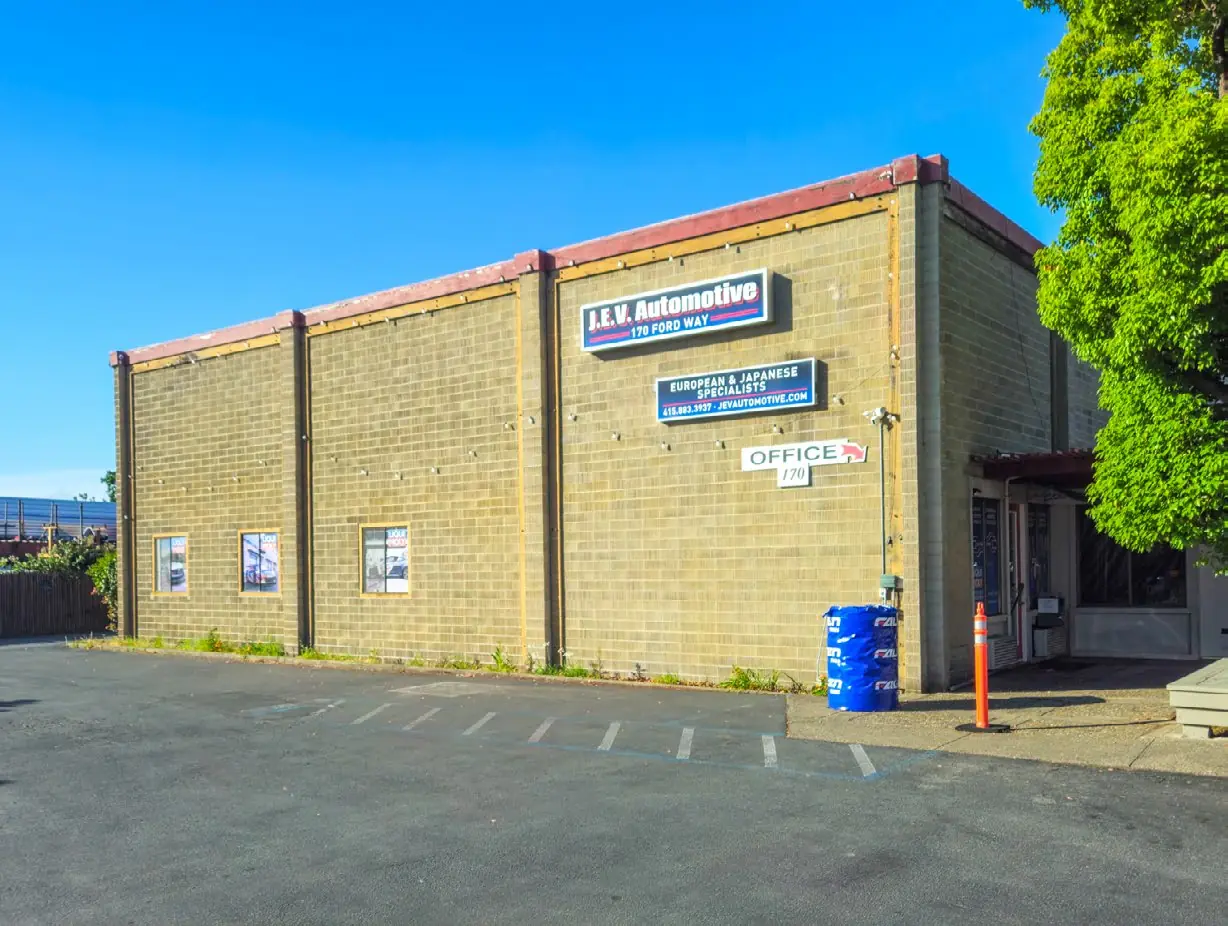
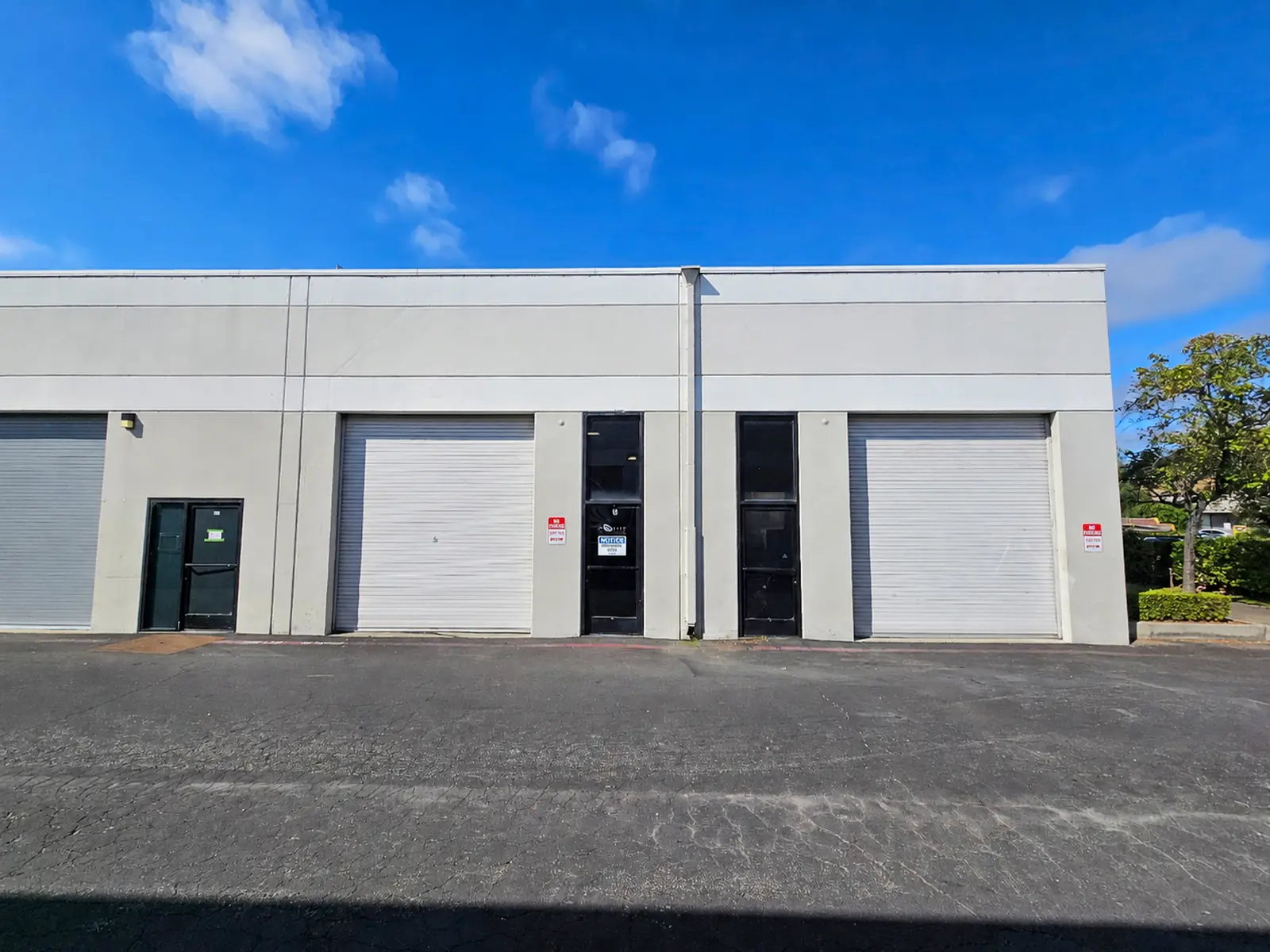
- Warehouse and flex: Industrial gross or NNN, depending on what comparable buildings in that park quote. 170 Ford Way is NNN; 125 Mitchell Blvd is industrial gross plus CAM.
Protecting yourself on gross leases
If you offer a gross or modified gross lease, you don't have to absorb every increase:
- Base year or expense stop. The tenant pays its share of increases above the first year's expenses, or above a set dollar amount per foot.
- Annual rent increases. 3% a year is common and helps offset rising costs.
- Shorter terms. Three-year leases let you reset rent to the market more often.
Getting NNN right
- Reconcile every year. Compare estimated NNN charges with actual costs and bill or credit the difference. Tenants are more cooperative when you're consistent and transparent.
- Define capital versus repair. Spell out who pays for roof replacement, HVAC replacement and parking lot resurfacing, and whether those costs can be amortized into CAM.
- Plan for reassessment. In California, a sale usually triggers a property tax reassessment. Whether a new owner can pass the increase through to NNN tenants depends on the lease; buyers will check.
- Management fees. If you charge one as part of CAM, state it in the lease.
Market fit matters most
The right structure is partly about risk and partly about what tenants in your submarket expect. If every comparable building quotes industrial gross and you quote NNN, tenants will compare base rents and skip yours. I'll tell you what the competition is quoting and how to structure your lease to lease up quickly without giving away your expense protection.
Frequently asked questions
Which lease type is best for a landlord?
NNN shifts the most expense risk to the tenant and is standard for single-tenant buildings and retail. For small office suites, a modified gross lease with a CAM charge is often easier to lease while still protecting you.
What is a base year in a commercial lease?
A base year sets the operating costs in the first year as a baseline. In later years, the tenant pays its share of any increase above that baseline.
This article is general information, not legal, tax or lending advice. Market figures are asking rents and asking cap rates as published by the sources listed; individual deals vary. Talk with your attorney, CPA or lender about your situation.